Creating Dynamic eLearning Experiences for Effective Teaching Methods

Updated: Jan 8
In today's digital age, educators are constantly seeking innovative methods to engage and educate their students effectively. One powerful solution that has gained momentum is the creation of dynamic eLearning experiences. These experiences not only enhance the learning process but also cater to different learning styles and abilities, making education more inclusive and engaging.
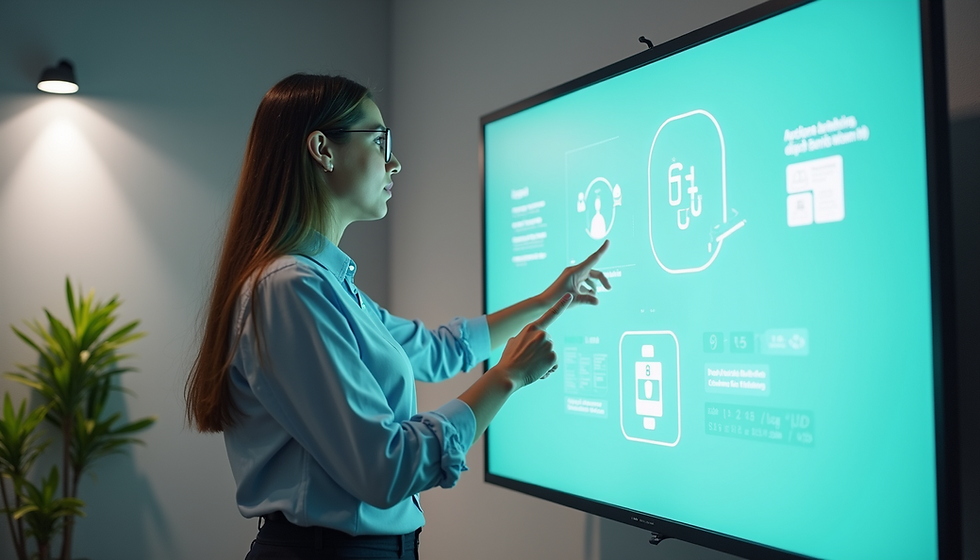
As an experienced educator with a background in instructional design, I have spent years honing my craft to create eLearning solutions that captivate learners and drive results. Through my expertise, I have found that incorporating interactive elements such as multimedia, simulations, and gamification can significantly enhance the learning experience.
By leveraging my practical teaching experience and combining it with the latest academic learning in instructional design, I have been able to develop eLearning solutions that are not only effective but also captivating. Understanding the needs of both educators and students, I strive to create courses that are visually appealing, easy to navigate, and most importantly, educational.
One key aspect of creating dynamic eLearning experiences is the use of multimedia. By integrating videos, animations, and audio clips, learners are provided with a multi-sensory experience that enhances retention and engagement. Additionally, incorporating interactive elements like quizzes, drag-and-drop activities, and simulations promotes active learning and allows students to apply their knowledge in real-world scenarios.
Another effective method that I have found success with is gamification. By introducing elements of competition, rewards, and challenges, eLearning courses can transform mundane topics into exciting adventures that motivate students to learn and progress. This not only boosts engagement but also fosters a sense of accomplishment and mastery.
In conclusion, the key to effective teaching methods lies in creating dynamic eLearning experiences that cater to the diverse needs of learners. By combining practical teaching experience with current academic learning in instructional design, educators can develop courses that are engaging, interactive, and educational. As we continue to embrace technology in education, it is essential to stay ahead of the curve and explore innovative ways to enhance the learning experience for all.



Comments